Free Spin Trends and Transitions to Table Games in Mobile Casino Settings
Written by Wendy Walter · Oct 24, 2026
Free Spin Trends and Transitions to Table Games in Mobile Casino Settings
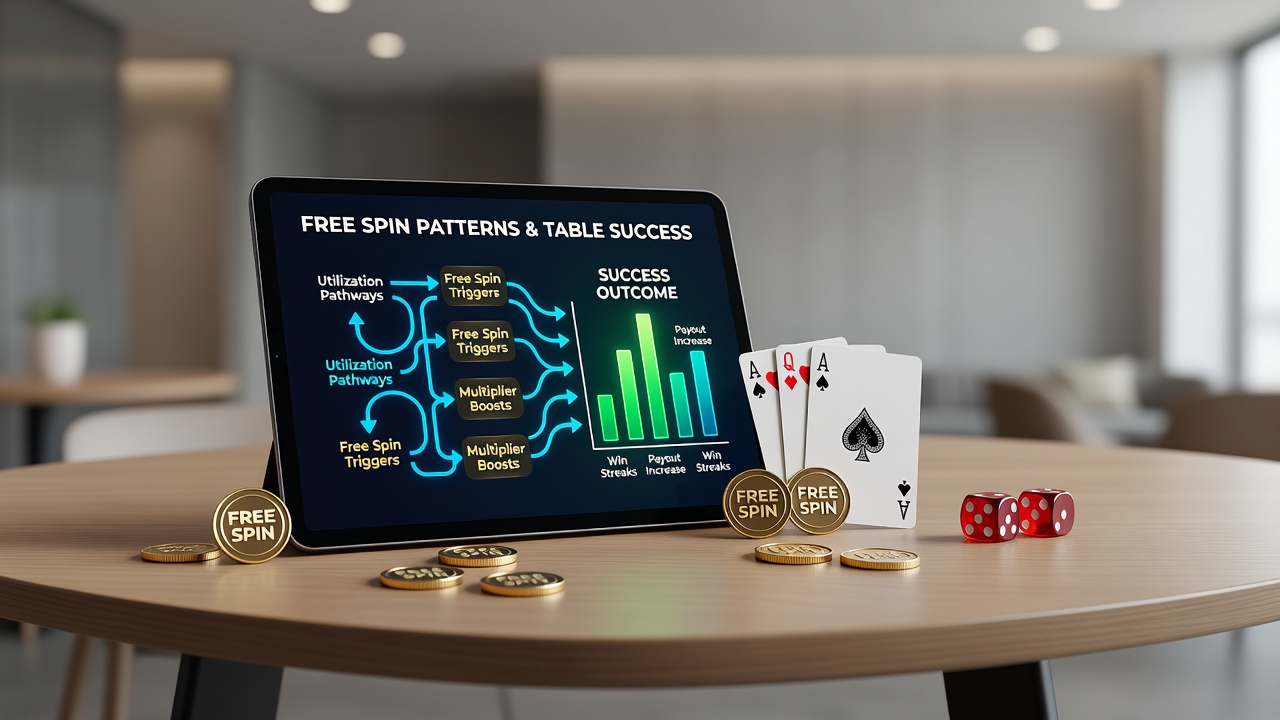
Portable casinos have seen steady growth in user engagement metrics throughout 2026, with free spin mechanics serving as an entry point for many participants who later shift focus toward table game formats. Data from various regional reports indicates that players often begin sessions with slot-based free spins before allocating winnings or remaining balances to games like blackjack and roulette on the same mobile applications. These patterns emerge consistently across platforms, where initial free spin activity correlates with subsequent table game participation in tracked user sessions.
Observed Utilization Sequences
Analyses of mobile gaming data reveal that players typically redeem free spins during promotional windows, such as those tied to daily login rewards or event-based offers, and then channel any resulting credits into live dealer environments. One study from the Australian Gambling Research Centre highlighted how users who maximized free spin rounds on themed slot titles showed higher rates of table game initiation within the same hour. This sequence appears driven by built-up session momentum rather than random chance, as bankroll preservation through spin bonuses allows for lower-risk experimentation on dealer tables.
Researchers tracking October 2026 activity noted spikes in these transitions during mid-month periods, coinciding with increased app downloads and seasonal marketing pushes. Players frequently alternate between reel formats and card-based options after completing spin sets, with session logs showing average table game durations extending when free spin outcomes exceed baseline thresholds. Such behaviors align with patterns documented in reports from the Nevada Gaming Control Board, which emphasize cross-format activity within single mobile accounts.
Role of Payment Methods and Timing
Funding choices influence how free spins integrate into broader strategies, as faster e-wallet processing enables quicker redeployment of spin-derived funds toward table minimums. Those who monitor transaction speeds often time their shifts to coincide with bonus availability windows, creating repeatable cycles where initial spins fund later dealer interactions. Industry observers point to variations in these habits across different device types, with tablet users displaying more deliberate pacing compared to smartphone sessions that favor rapid format changes.
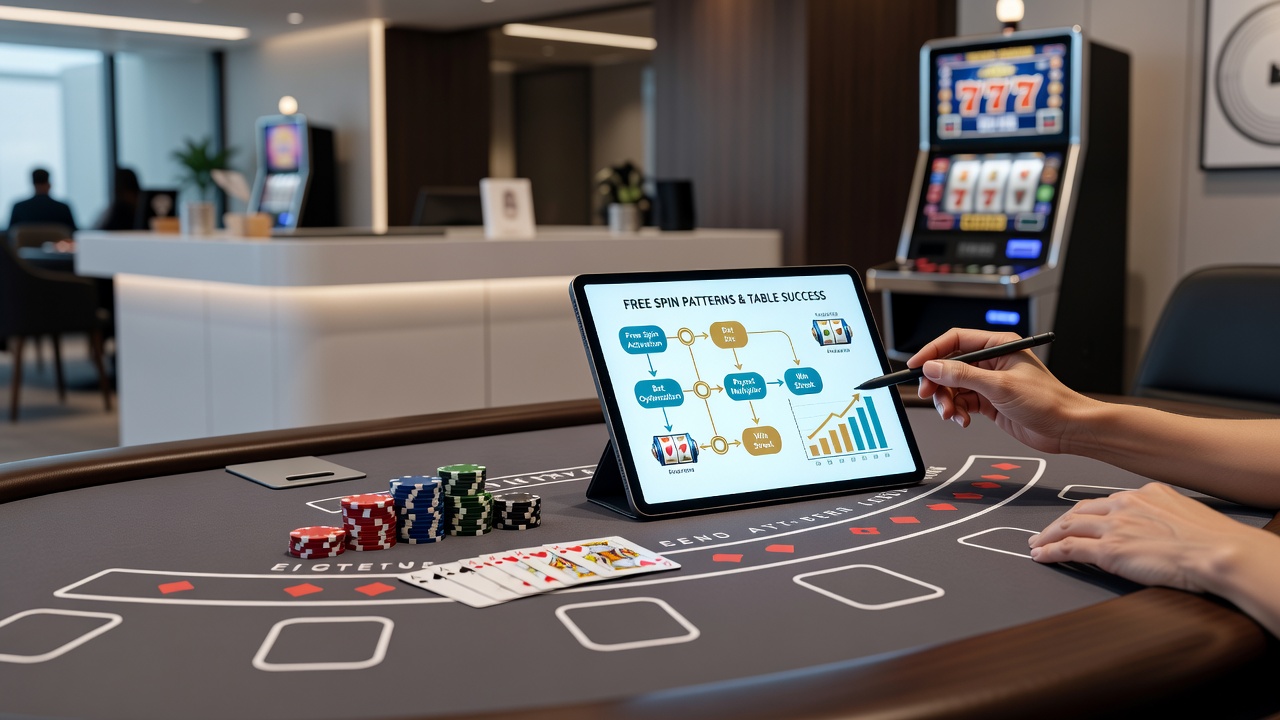
Evidence from multiple platform audits suggests that free spin utilization rates climb when tied to loyalty milestones, prompting users to explore table games as a means of advancing through tier structures. This progression holds across markets, where data shows consistent upticks in combined play volumes during promotional overlaps. The American Gaming Association has compiled figures indicating that mobile sessions incorporating both elements yield extended overall engagement times compared to single-format approaches.
Regional Variations in Patterns
Geographic differences appear in how these transitions manifest, with North American users leaning toward video poker tables post-spin while European participants favor roulette variants. Reports from Singapore's Casino Regulatory Authority underscore similar flows in Southeast Asian mobile markets, where free spin redemptions during festival periods feed directly into baccarat sessions. These location-specific tendencies reflect local game preferences yet share the core dynamic of spin-to-table movement within portable interfaces.
Additional tracking from academic sources at the University of Nevada, Reno, demonstrates that players employing structured free spin approaches achieve steadier table game results over repeated sessions. Factors such as spin quantity thresholds and game selection order contribute to this stability, as outlined in their longitudinal player behavior reviews. Such findings provide context for why certain utilization sequences produce measurable shifts toward dealer formats without relying on external variables.
Conclusion
Patterns linking free spin activity to table game participation continue to shape mobile casino dynamics as of late 2026, supported by aggregated data from regulatory and research entities. These sequences offer insights into user flows across formats, with timing, payment integration, and regional preferences playing defined roles in observed outcomes. Continued monitoring of these trends will likely inform platform adjustments in coming periods.